


Your MFA Didn’t Fail — The Attacker Bypassed It With a Token. Here’s How.
Your MFA Didn’t Fail — The Attacker Bypassed It With a Token. Here’s How.
Past Posts
Older Daily Grind posts.
The AI Supply Chain Is the New Attack Surface — And North Korea Just Proved It
AI development moves fast. So do the attackers targeting it — and they are no longer waiting for vulnerabilities to appear. They are injecting themselves directly into the tools developers trust. Microsoft has attributed the recent Mastra AI supply chain attack to Sapphire Sleet — a North Korean state-sponsored hacking group also known as BlueNoroff.…

Who Owns Your AI Agents? The Access Gap Nobody’s Talking About
I asked a CISO last week: “If one of your AI agents accessed source code right now, could you name who approved it?” He couldn’t. That pause is the problem — and it reveals the AI governance gap nobody’s talking about.
Trust without visibility is no longer enough
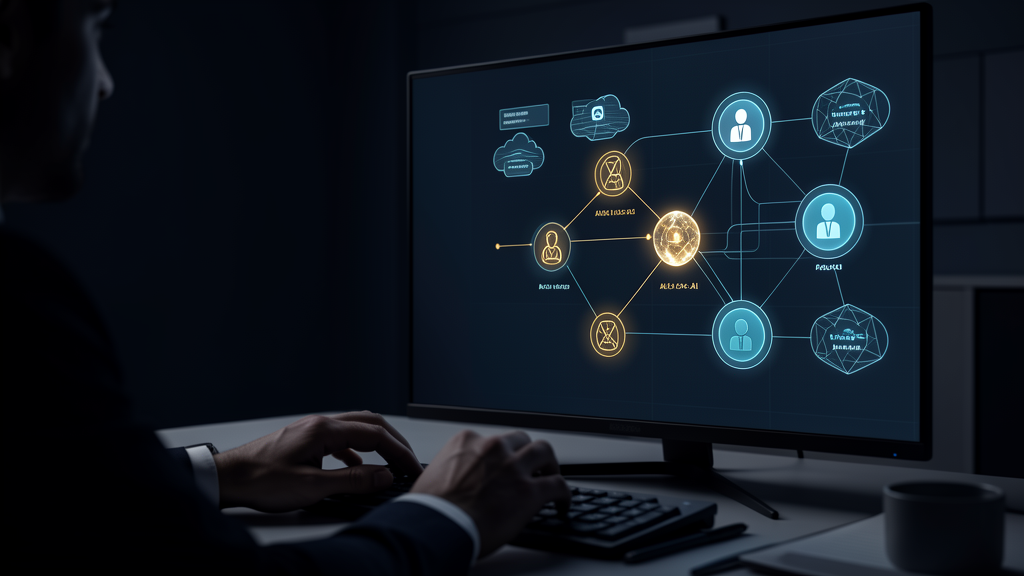
As AI tools and autonomous agents become part of daily work, organizations need visibility into user-to-AI and AI-to-AI interactions. Trust remains essential, but trust without visibility is no longer enough.

The danger of vibe coding
Vibe coding is powerful because it removes friction. That is also what makes it risky. When teams ship code they do not fully understand, small gaps can become operational, security, and trust problems.
AI Governance for Security Leaders: Start With Decisions, Not Tools
AI governance often starts in the wrong place. The real question is not only which tools people use, but what decisions AI is allowed to influence — and who remains accountable when the output is wrong.
Endurance Meets Purpose
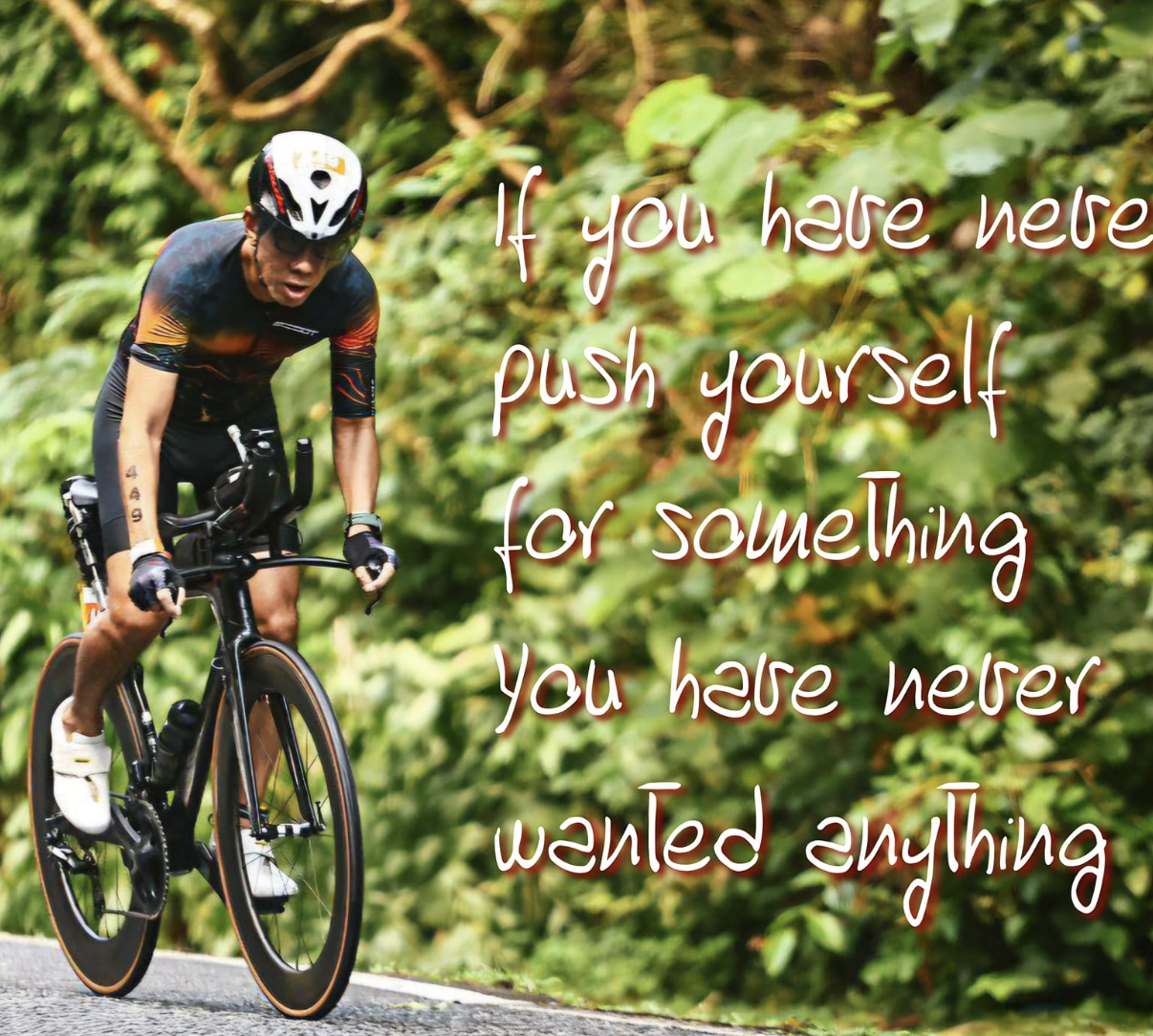
Endurance isn’t just about distance — it’s about direction. Every race I’ve entered, every early morning swim, every long ride under the sun has taught me something about life, leadership, and purpose. Endurance is more than physical stamina; it’s the quiet discipline to keep moving forward, even when no one’s watching. For me, the power…

Endurance and Expertise: A Unique Professional Story
Sometimes, the simplest moments hold the deepest wisdom. Let your thoughts settle, and clarity will find you.