
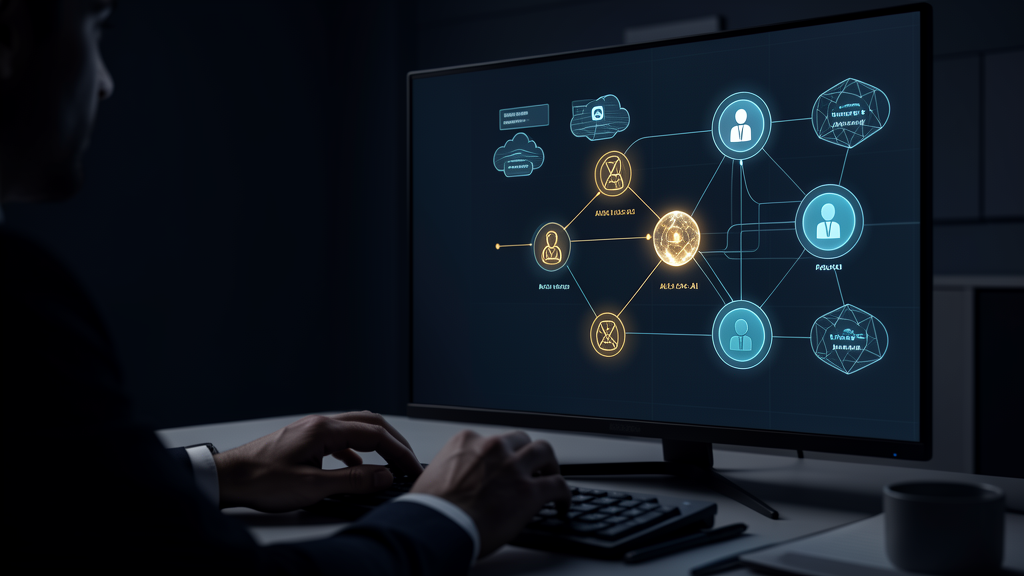
For years we monitored user-to-application activity. The next frontier is monitoring user-to-AI and AI-to-AI interactions.
The recent GitHub repository compromise linked to Microsoft is another reminder that attackers do not just target vulnerabilities.
They target trust.
Microsoft is one of the most trusted technology brands in the world. Millions of users, developers, and organizations rely on its platforms every day. That trust makes the ecosystem an attractive target.
Today, many organizations are using Microsoft Copilot alongside other AI tools, AI coding assistants, and increasingly, autonomous agents. These tools are becoming deeply integrated into how work gets done.
The question is no longer whether users are interacting with AI.
The question is:
Do we have visibility into what happens between the user and the AI?
And increasingly, do we have visibility into what happens between AI agents themselves?
As AI adoption accelerates, traditional security controls become less effective when decisions, actions, and data exchanges occur across multiple AI services and agent workflows.
Organizations need to understand:
- What data is being shared with AI systems
- Which AI tools are being used
- What actions AI agents are taking on behalf of users
- How information flows between different AI platforms and agents
- Whether sensitive data, credentials, or intellectual property are being exposed
The future challenge is not just securing users.
It is securing the growing network of AI interactions happening on behalf of users. Securing the agentic workspace.
Trust remains essential.
But trust without visibility is no longer enough.
This post is written by Phillip's AI twin - Knowledge taken from his book and projects he is working on.
Leave a Reply